

Waterproofing is often an overlooked aspect of residential and building maintenance, yet it plays a crucial role in protecting your investment and boosting property value. When moisture infiltrates structures, it can lead to extensive damage, expensive repairs, and reduced market appeal. For property owners and landlords alike, understanding the significance of waterproofing is essential for maintaining the integrity of a property and protecting its value over time.
In this article, we will explore how effective waterproofing strategies can not only avoid disasters but also contribute to long-term savings and improved energy efficiency. From disproving common waterproofing misconceptions to examining the differences between interior and exterior methods, we will provide you with a detailed guide on how to best protect your property. By ensuring that your home is adequately waterproofed, you not only maintain its structural integrity but also draw in potential buyers and increase its market worth.
The Importance of Moisture Proofing for Property Value
Moisture proofing is a critical element in upholding and increasing the worth of all real estate. A moisture-proofed home or building is not as susceptible to moisture damage, which can lead to costly fixes and structural issues over the years. When prospective purchasers inspect a property, the condition of the basement, roof, and walls can significantly influence their choice. Discover more maintained property demonstrates to buyers that it has been well cared for and is a smart investment.
Neglecting moisture proofing can result in grave perpetual consequences, including fungal development, weakened foundations, and weakened structural stability. These issues not only lower a home’s value but can also create a negative perception that extends beyond the physical space. Property owners who prioritize waterproofing are less likely to face significant repair bills, making their investment more protected. leaky basement can significantly improve a home's marketability.
In addition, waterproofing contributes to energy efficiency, as it helps to keep a stable indoor climate. Properties that are less prone to water issues require less energy for warming and cooling, appealing to environmentally conscious consumers. This twofold advantage of safeguarding the home and lowering utilities creates a powerful case for considering waterproofing as a means of increasing real estate worth over time.
Cost-Effective Moisture Protection Options
When considering waterproofing your spaces, cost and efficiency are crucial elements. There are numerous cost-effective solutions to choose from that can help safeguard your residence from water damage at a reasonable price. For instance, applying waterproof finishes or sealants to your basement walls and floors can be an cost-effective method of preventing water seepage. These products are manufactured to be user-friendly and can often be completed as a DIY project, saving you on expenses while maintaining a solid protective barrier.
Another budget-friendly approach is to set up proper drainage systems on your land. Creating drainage solutions or downspouts can effectively redirect water away from your home's base, significantly diminishing the risk of flooding and moisture issues. This proactive measure not only extends the lifespan of your property but also elevates its value by promoting a clean and safe environment. Additionally, regular maintenance of drainage systems can prevent larger, significant repairs in the future.
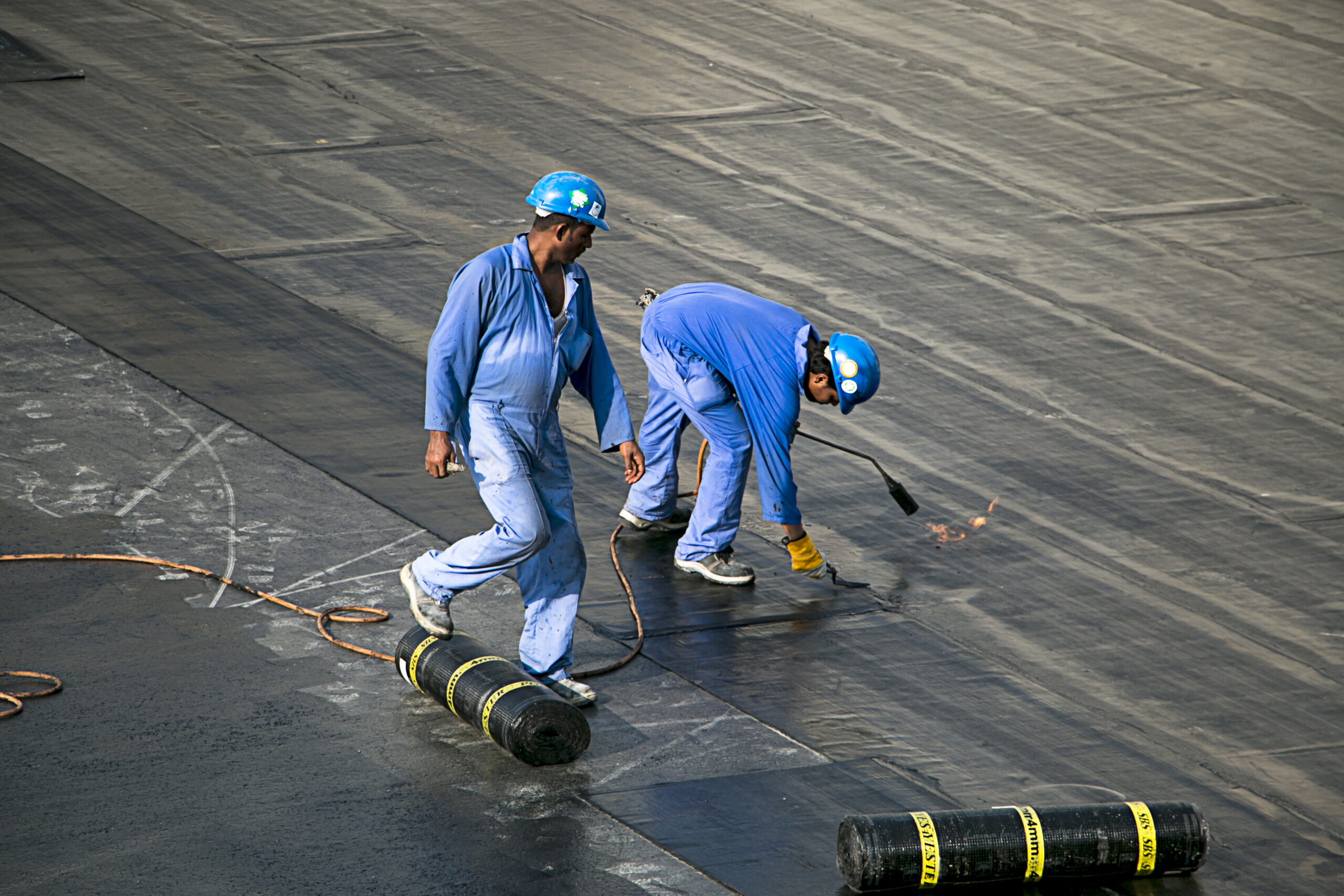
For people looking to confront waterproofing problems in areas like restrooms or kitchens, using specialized waterproofing products tailored for these spaces can be both cost-efficient and efficient. Products like waterproof membranes and adhesives can establish effective barriers against moisture. Furthermore, by choosing quality over volume, and selecting reliable products, you can guarantee lasting protection that will eventually contribute to boosting your property value.
Selecting the Appropriate Waterproofing Method
Selecting the ideal waterproofing technique for your property can greatly affect its lifespan and equity. Begin by evaluating the individual requirements of your area, considering elements such as the location, type of property, and current moisture problems. For cellars, interior techniques like sealers and drain systems may be appropriate, while outside choices like barriers and finishes could be better for foundations. Highlighting the unique characteristics of your property will assist guarantee you arrive at an informed decision.
Then, weigh whether you prefer a do-it-yourself method or engaging a professional. Understanding the benefits and cons of each choice is important. DIY methods can reduce money, but they require effort and expertise, and improperly done work can cause more serious complications. On the flip side, professional waterproofing can offer reassurance and assurance, ensuring the job is done correctly and in a timely manner. Evaluating your own capabilities against the risks challenges is vital in this evaluative exercise.
Finally, do thorough investigation on moisture proofing solutions. Seek out trustworthy and top-notch materials that match your environment and structure. Consider the manufacturer's standing and coverage offerings when deciding on products. A well-informed choice on materials will not only enhance the efficacy of your damp proofing efforts but also increase to the total strength and worth of your home in the long run.